The Iran War Just Ended. Bitcoin's 2% Bounce Is the Least Interesting Part.
The market read on peace is supposed to be simple. Tensions ease, risk comes back, Bitcoin climbs. It did — about 2%, to roughly $65,800, its best level in two weeks. That's the boring part. The interesting part is what Bitcoin did for the four months before Sunday, and what this deal might quietly do to the way oil gets paid for.
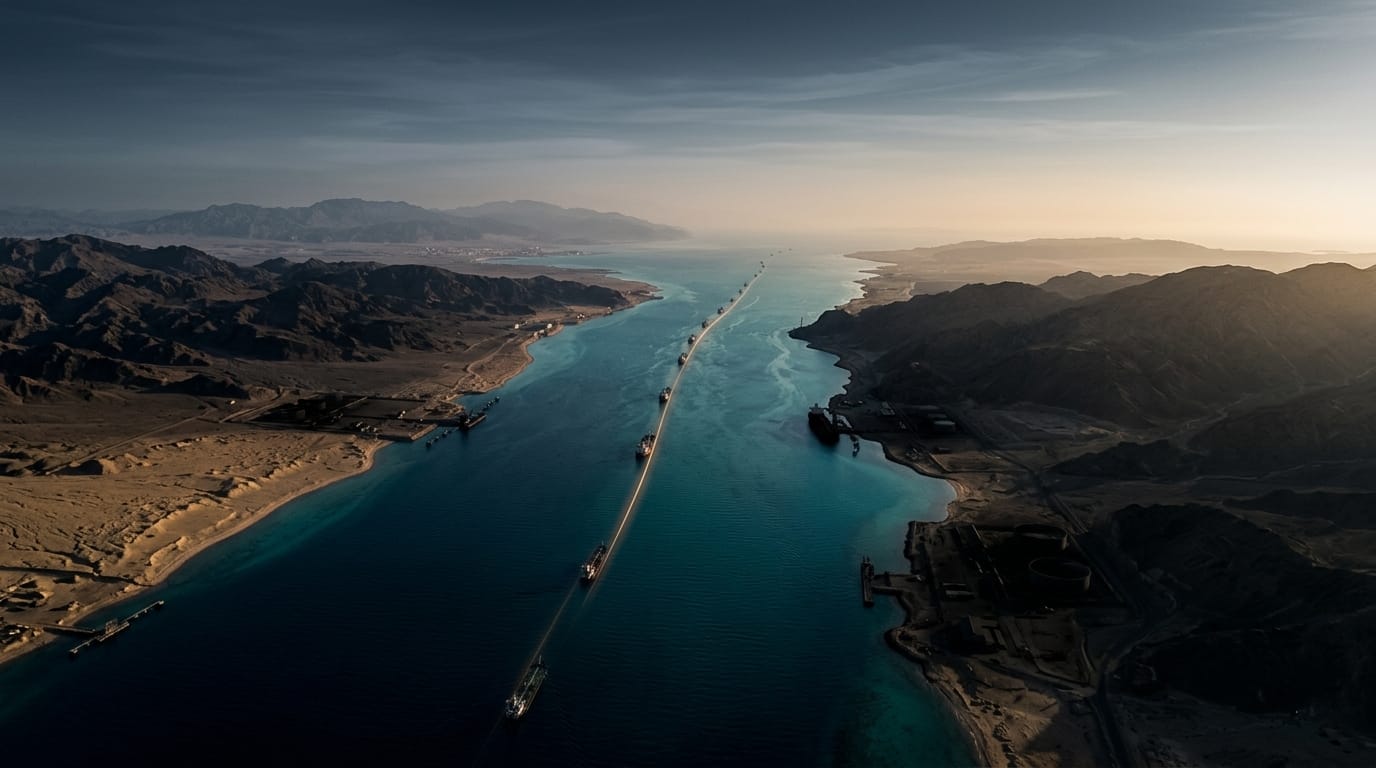
On June 14, the United States and Iran reached a tentative agreement to end the 2026 war, lift the US naval blockade, and reopen the Strait of Hormuz. Trump and Pakistan's prime minister announced it together; Pakistan brokered it, a signing is set for Friday in Switzerland, and the framework extends the ceasefire by up to 60 days while talks on Iran's nuclear program continue. Trump said the ceasefire "is now complete." Tehran urged caution. Both can be right at once.
Markets didn't wait. Brent crude fell as much as 5.3% toward the low $80s, gold rose, and the war premium that had sat on oil since late February began to bleed out. The strait moves roughly a fifth of the world's seaborne oil. Choke it and the whole economy feels the tourniquet. Loosen it and the pressure releases fast.
Bitcoin spent the war acting like a tech stock
Here's the uncomfortable thing for anyone who still calls Bitcoin digital gold. Through the fighting, it didn't behave like gold at all.
When oil spiked past $100 earlier this year and central banks turned cautious, Bitcoin sold off alongside equities — risk-off, drained liquidity, the works. Gold did the safe-haven work. Bitcoin sat in a compressed range, waiting for the macro fear to lift. So the relief pop isn't proof of resilience. It's confirmation that, right now, Bitcoin trades as a high-beta bet on risk appetite, not as a hedge against chaos. Peace is good for it for the same reason peace is good for the Nasdaq.
That's not a knock. It's a more honest label than the one the marketing uses.
The part worth watching is the toll booth
Now the genuinely new wrinkle. Buried under the oil headlines is a question about how Iran gets paid at all.
Back in April, during an earlier truce, Iran floated charging tankers a transit fee for the strait and suggested taking it in Bitcoin. It went nowhere. But the idea is circling this deal too, with Bitcoin and Tether both named as possible rails for transit-related payments — which runs straight into a framework that's supposed to make passage toll-free, and into a US sanctions regime that doesn't vanish because a ceasefire got signed.
This is where it stops being an oil story and becomes a crypto one. If a sanctioned state starts settling cross-border infrastructure fees in stablecoins, every compliance desk and regulator has to answer a question they've mostly ducked: how do you separate a clean transaction from a sanctioned one when both ride the same public rails? Tether settles tens of billions a day. The line between legitimate dollar-proxy settlement and sanctions evasion cuts right through the middle of that volume.
No one has a clean answer. The deal doesn't supply one.
The steelman for the simple read
Maybe this is overthinking a good day. The bullish, boring take is hard to wave off. A major war is winding down. Cheaper energy cools inflation. Cooler inflation hands central banks room to cut. And cuts are rocket fuel for risk assets, crypto included. Polymarket had the deal at just 37% before the announcement, so the market was genuinely caught leaning the wrong way, and upside surprises tend to run. For anyone tracking the whipsaw on a phone, a tool like The Crypto App turned a chaotic weekend into something legible. Sometimes a relief rally is just relief.
Hold both ideas. The oil unwind is real and probably has further to travel. And the more durable story isn't the green candle — it's whether this ceasefire quietly drags crypto into the plumbing of sanctioned trade, where the technology's neutrality becomes someone's legal problem.
So watch the signing on Friday. Watch the toll booth longer. The war that closed the Strait of Hormuz may end up mattering less than the precedent for who gets paid to reopen it, and in what.