
Robinhood Sold Stock Tokens That Weren't Stock. Now It Has to Build the Stock Part.
Onuora Amobi ·

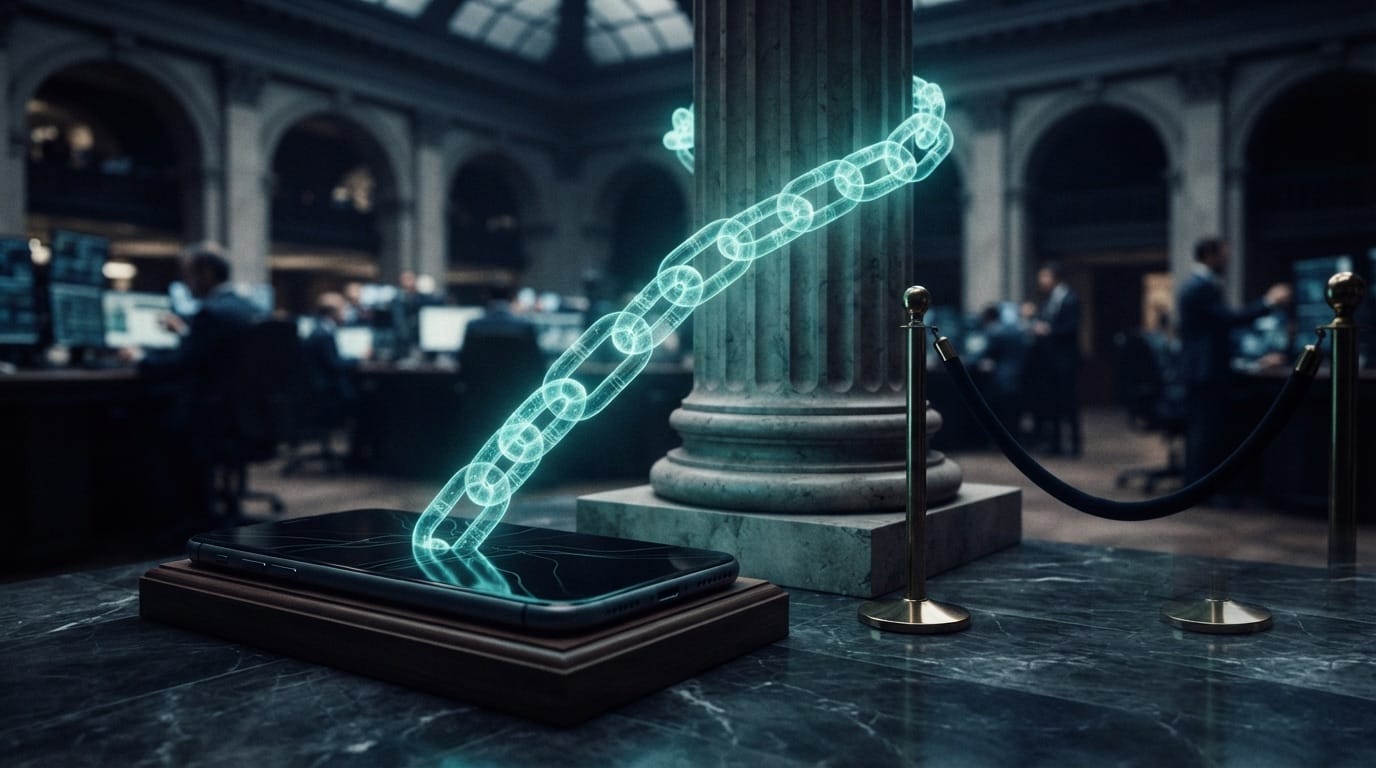
The stock market keeps banker's hours. Crypto never sleeps. Over the next year that gap starts to close, and not because exchanges got generous with their opening times. Tokenized stocks — real equities wrapped as blockchain tokens that trade around the clock — have gone from a curiosity to the fastest-moving corner of crypto, and the biggest names in the business are now sprinting to put Wall Street on-chain.
This is not a thought experiment anymore. On June 16, Coinbase announced it would roll out tokenized stocks for non-U.S. customers the following month, backed one-to-one by the underlying shares and carrying real ownership rights, including dividends. The pitch is simple and a little subversive: hold Apple the way you hold a stablecoin, trade it at midnight, lend it for yield, or post it as collateral in a lending protocol.
The growth curve is the part that should make traditional brokers nervous. Tokenized stocks expanded from 14 assets in early 2024 to 478 by the end of May 2026 — growth of more than 3,300% — making them the fastest-growing crypto category over that stretch. The spot market is still small in dollar terms, a few hundred million, but small and fast is how most things in crypto look right before they aren't small anymore.
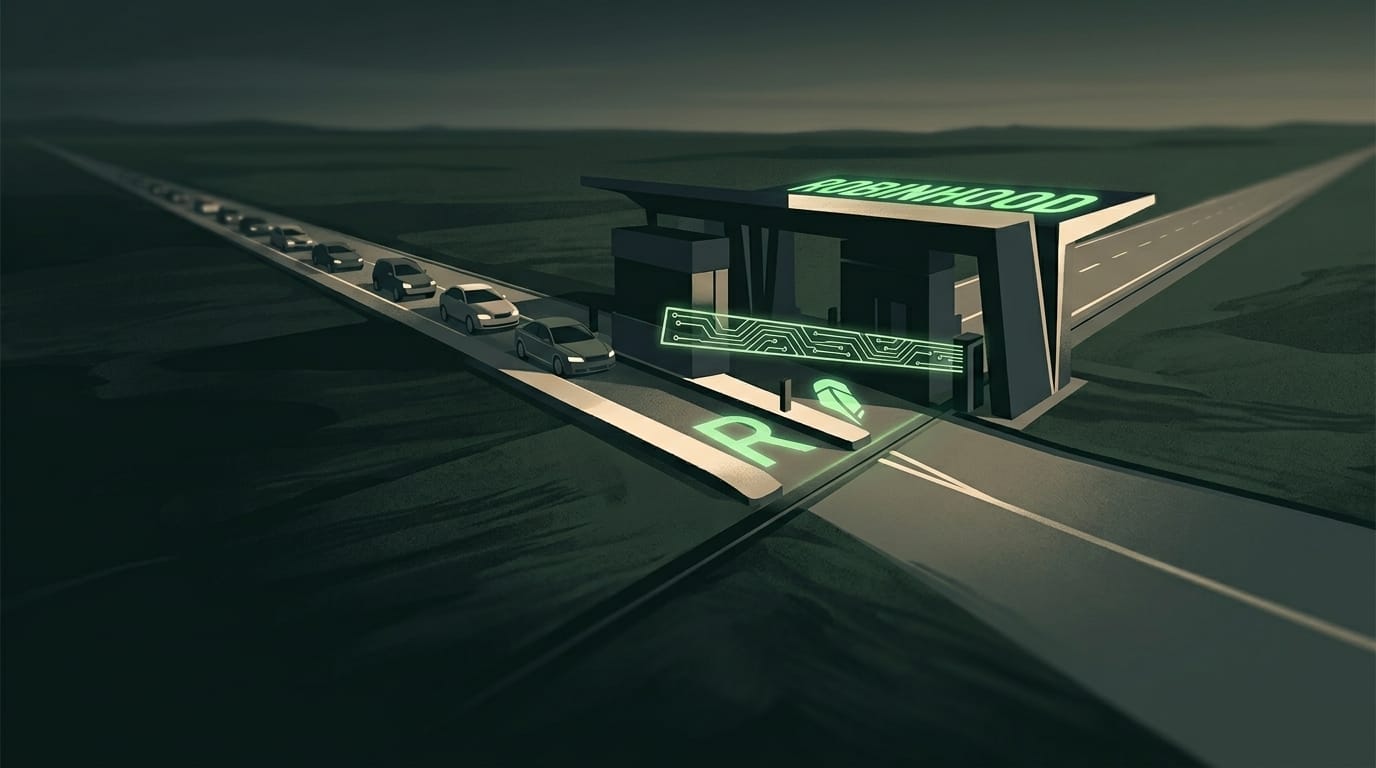
Four issuers anchor the field, and each picked a different lane. Backed Finance issues xStocks for non-U.S. retail. Dinari serves U.S. accredited investors. Robinhood launched hundreds of tokenized U.S. stocks and ETFs in Europe, settled on Arbitrum, while Kraken offers Solana-native xStocks that users can withdraw to self-custody and plug into DeFi. The common thread is that the share stops being trapped inside a brokerage account and starts behaving like any other token you control.
For years the incumbents treated tokenization as a sideshow. That posture flipped. The push to tokenize equities is now coming from inside the financial industry itself, with established players racing to move stocks onto blockchain rails. The appeal is partly defensive — nobody wants to be the brokerage that ceded round-the-clock trading to a crypto exchange — and partly structural. Settlement that takes two days in the old system can happen in seconds on-chain. A share that sits idle overnight can earn yield or back a loan.
There's a quieter motive too. A tokenized share can reach a saver in Lagos or Manila as easily as one in Chicago, without a U.S. brokerage account or a local intermediary that may not exist. Access to American equities has always been gated by geography and paperwork. Tokens don't care where you live.
None of this matters if Washington says no, which is why the most important development isn't a product launch but a posture shift at the regulator. The SEC under chair Paul Atkins is weighing an "innovation exemption" that would let firms test blockchain-based securities under a modified framework, as Coinbase eyes a U.S. launch. An exemption is not a permanent rulebook. It's a sandbox with a time limit. But it's the difference between building in the U.S. and building everywhere except the U.S.
The skeptics have a fair point, and it deserves room. A tokenized share is only as good as the entity holding the real stock behind it. Strip away the on-chain wrapper and you're trusting an issuer to actually custody the underlying equity, honor the dividend, and stay solvent. That's counterparty risk wearing a blockchain costume — the same trust assumption that crypto was supposed to remove, quietly reintroduced. If the issuer fails, "self-custody" of the token doesn't get you the stock.
So the honest version isn't that tokenization eliminates middlemen. It changes which middleman you trust and what they can do with your assets while you're not looking. That's a real improvement only if the rules force genuine one-to-one backing and real redemption rights, not a screenshot of them.
Step back and the trend is bigger than any single product. The wall between "crypto" and "stocks" was always partly administrative — different rails, different hours, different gatekeepers. Tokenization treats that wall as a bug. When a Tesla share and a stablecoin live in the same wallet and settle on the same network, the distinction that mattered to a previous generation of regulators starts to look arbitrary.
The interesting question for the next year isn't whether tokenized equities survive. The growth and the players answer that. It's whether the traditional exchanges adapt fast enough to keep the business, or whether they wake up one morning to find the most liquid market for their own listed companies is running on a blockchain they don't control, at an hour their trading floor is dark.
Onuora Amobi ·

Onuora Amobi ·

Onuora Amobi ·

Onuora Amobi ·
Onuora Amobi ·
Onuora Amobi ·