A $150 Gadget Keeps Winning Bitcoin's Lottery
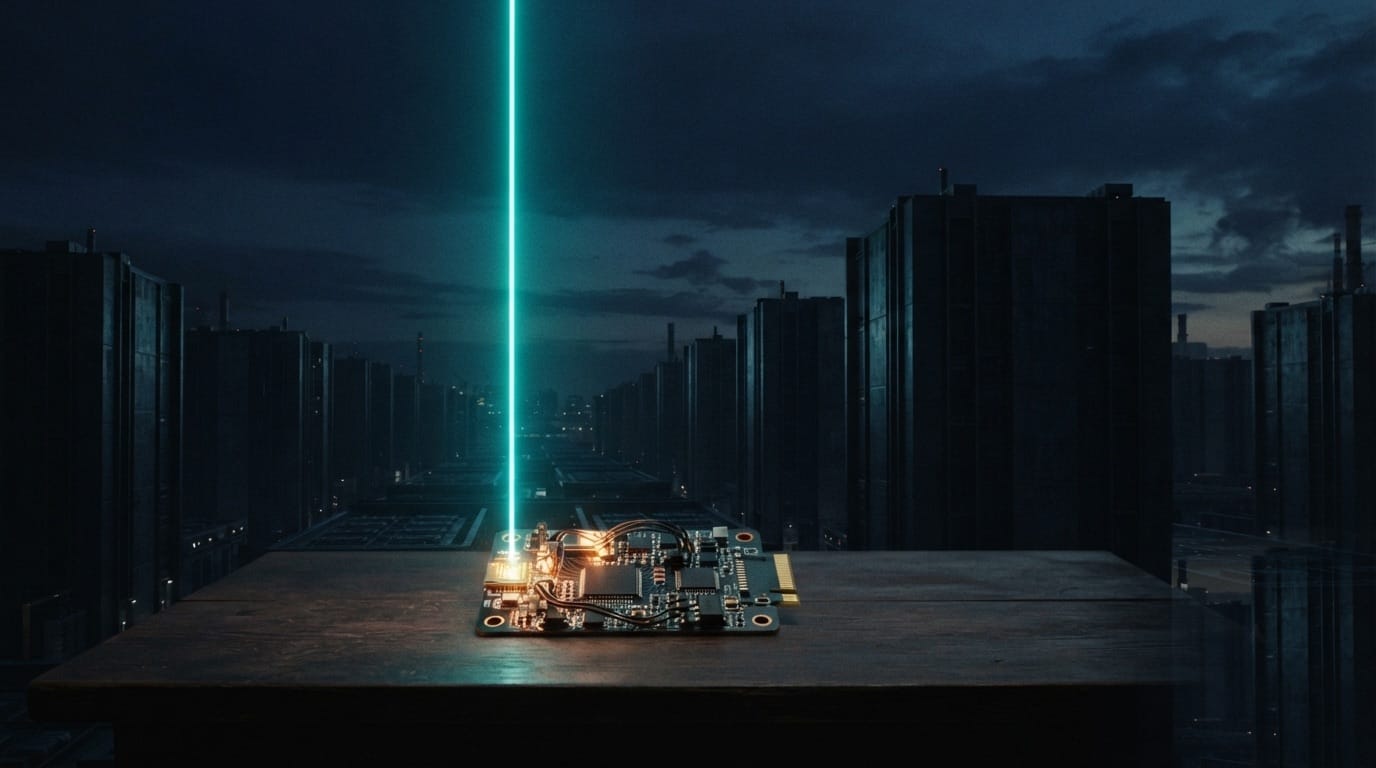
The most industrialized market in crypto keeps losing to hobbyists with desk toys. In early August, an independent miner solved block 960,804 and collected 3.157 BTC — about $199,300 — without a warehouse, a power-purchase agreement, or a single institutional dollar behind them. Solo bitcoin mining, the practice everyone declared dead a decade ago, just cashed its second $200,000 check in three weeks.
The first was stranger. In mid-July, a miner running a single Bitaxe — an open-source, credit-card-sized device that costs between $60 and $150 — hit block 957,382 for roughly $200,000. The machine draws 15 to 21 watts. A gaming laptop uses more.
The odds say this shouldn't happen. The numbers say it keeps happening.
A single Bitaxe produces about 1 to 1.3 terahashes per second against a global network measured in hundreds of exahashes. At that ratio, the expected wait for a block is something like 18,000 years. Winning once is a statistical insult. Yet solo miners have found 24 blocks in the past twelve months — a 41% jump year over year — including 13 already in 2026.
There's no paradox here, just arithmetic. Lottery odds apply per ticket, and the number of tickets exploded. Tens of thousands of Bitaxes and similar open-source rigs now hum on desks and bookshelves worldwide. Any individual owner will almost certainly never win. Collectively, they win every couple of weeks.
Nobody buys a Bitaxe to get rich, and that's the point
Run the business case and it's a bonfire. A $150 machine burning $20 of electricity a year for a 1-in-18,000-years payday is not an investment; it's a scratch card with a power cord. The people buying them know this. They buy anyway — for the same reason people run full nodes that pay nothing: participation in the machine itself.
That impulse turns out to have real economic weight. It rattled through the market on the same weekend that the Coldcard exploit shook confidence in hardware wallets — one story eroding trust in bitcoin's periphery, the other quietly restoring it at the base layer. A network where a $150 gadget can still win the block reward is a network whose entry ticket hasn't been fully captured by capital.
The industrial miners should read this as a warning shot
Bitcoin mining spent a decade consolidating into an industry of publicly traded firms with gigawatt campuses, and lately many of them have pivoted their megawatts toward AI compute because the margins are better. Fine. But the pools those industrial players dominate also decide which transactions enter blocks — a chokepoint regulators have noticed.
Every solo block is mined outside that chokepoint. The miner who built block 960,804 chose their own transactions, answered to no pool operator, and filed no compliance report. Twenty-four blocks a year is a rounding error of hashrate — well under one percent — and it would be dishonest to pretend otherwise. The concession costs nothing, though, because the value was never throughput. It's that the option exists, visibly, at consumer prices. Exit is a feature you price only when you need it.
The same logic explains why the Bitaxe is open source. Its designers took the identical chip that powers industrial Antminers and published the schematics, collapsing the gap between what a corporation and a hobbyist can buy. Hashrate follows chips; chips now follow GitHub.
"Solo" deserves an honest asterisk
One caveat before the romance runs away with the story. Most of these jackpot miners aren't literally alone; they point their hardware at solo-mode services like ckpool, which construct blocks on their behalf and take a small cut of any win. The miner keeps the full reward economics and the lottery odds, but the block template — the actual list of transactions — often still comes from a coordinator.
Does that gut the decentralization argument? Partially, and it's worth conceding. A future where a million desk miners all rent their block templates from two coordinators reproduces the pool problem in miniature. The difference is cost of exit: switching a Bitaxe to self-built templates is a firmware setting and an afternoon, not a datacenter renegotiation. The chokepoint exists, but it's held shut by convenience rather than capital — and convenience is the cheapest lock to pick.
Culture is doing the work capital abandoned
Here's the forecast the spreadsheet crowd will hate: solo block wins will keep climbing. Not because the economics improve — they won't — but because the devices keep getting cheaper, the firmware keeps getting better, and every six-figure jackpot mints a thousand new participants. A hash-rate lottery with a growing player base produces winners on schedule. Expect 30-plus solo blocks over the next year, and expect each one to make headlines that no marketing budget could buy.
Bitcoin's founding image was one CPU, one vote — a phrase the industry spent fifteen years walking back as mining professionalized. The desk-toy miners are walking it forward again, one absurd jackpot at a time. The next time someone tells you bitcoin's base layer has been fully captured by industry, ask them who mined block 960,804. Nobody knows. That's the answer.