
The SEC Lost Its Case Against Richard Heart. A Finnish Tax File Found Him Anyway.
Onuora Amobi ·

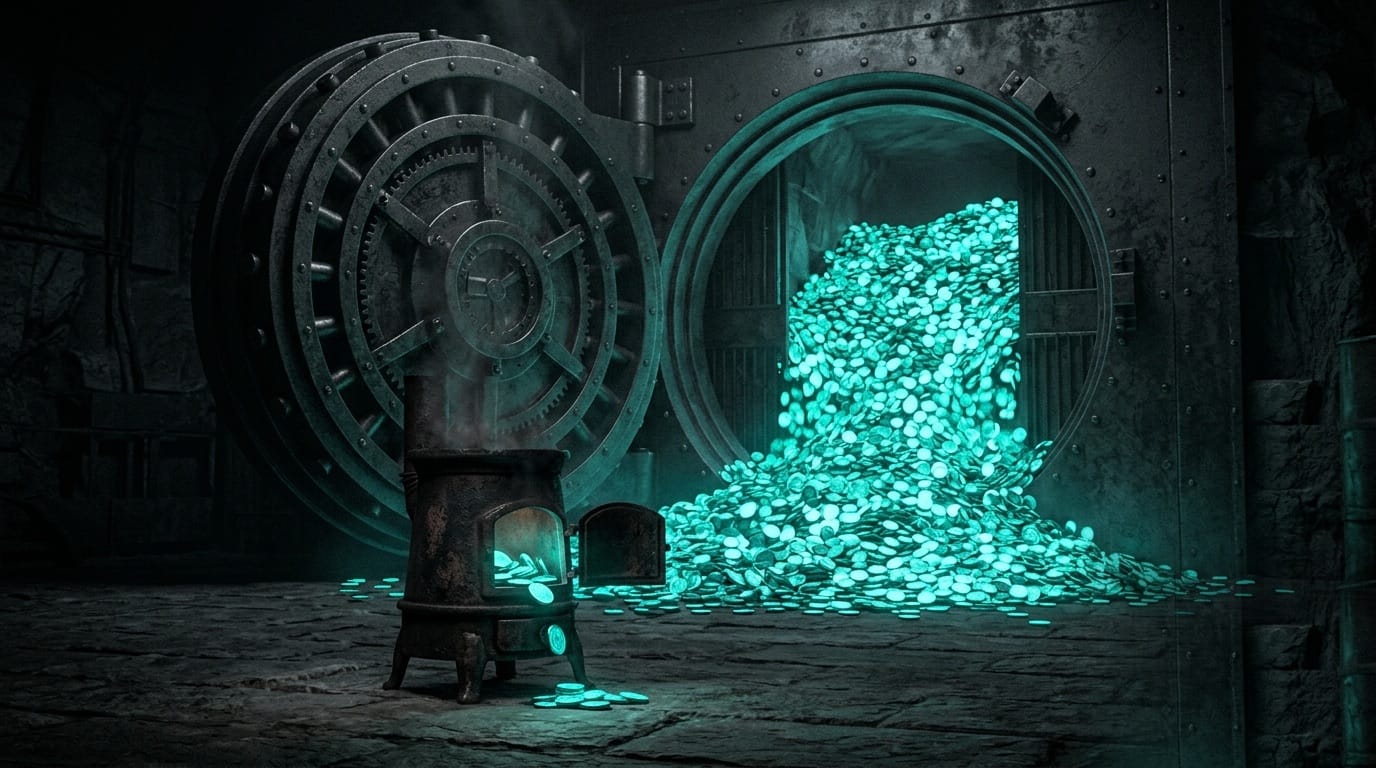
Six years of audits, bug bounties, and formal verification, and the oldest trick in DeFi still works. Cross-chain protocol Allbridge Core paused operations today after an attacker drained roughly $1.65 million from its Solana stablecoin pools — using a flash loan, the same class of attack that has been emptying under-defended pools since 2020.
The mechanics were almost nostalgic. The attacker took a $1.12 million USDC flash loan from Kamino, distorted the pool's balance through rapid swaps, and withdrew liquidity at the manipulated rate before bridging the proceeds from Solana to Ethereum. No zero-day. No novel cryptography. Just a price oracle that trusted its own pool ratio and a protocol that let one transaction move it.
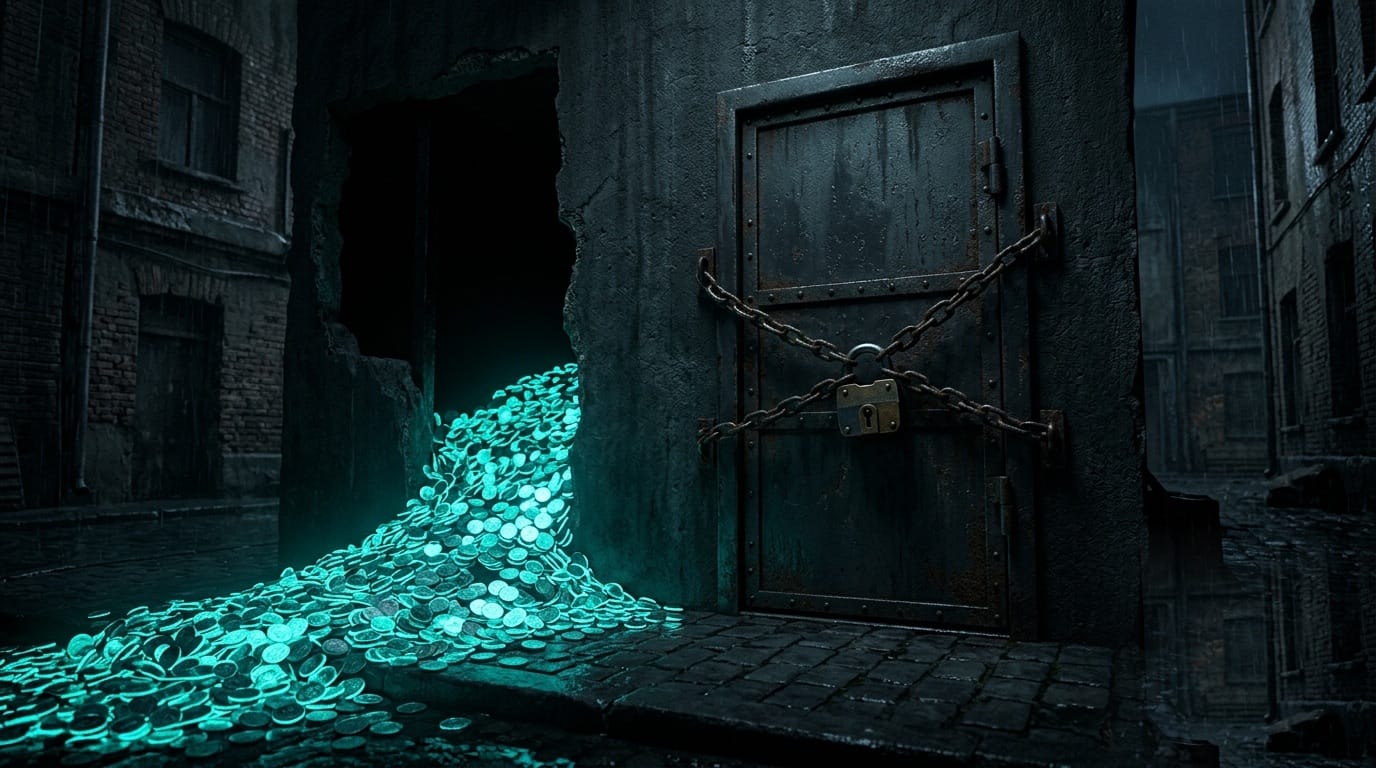
While onchain analysts traced the Allbridge funds, a Dutch court declared the crypto platform Knaken bankrupt, with roughly $8 million in user assets unaccounted for.
Different continent, different failure, same vintage. One is 2020's exploit — code trusting manipulable prices. The other is 2014's — customers trusting a company that held their keys. Crypto's two original sins, both landing in the same news cycle in 2026, in a market that considers itself institutional now.
That timing deserves more discomfort than it's getting. This is the year of federally chartered stablecoin issuers and bank-run custody. The industry's marketing says the cowboy era ended. The incident log says the cowboy era simply got smaller headlines.
Knaken's collapse carries an extra sting for European readers: it happened inside the MiCA era, in one of the EU's most tightly supervised financial jurisdictions. A licensing regime designed to make "your funds are safe" a legal statement rather than a tweet still ended with a courtroom and a hole in the books. Regulation reduces failure. It has never once abolished it.
It's tempting to shrug at the size. $1.65 million is a rounding error against the multi-hundred-million bridge disasters of 2022, and $8 million at Knaken won't make anyone's top-fifty list. The big money now sits with qualified custodians; the systemic risk has genuinely declined. That's the fair counterpoint, and it's mostly right.
But the small size is the finding. Allbridge wasn't an unaudited weekend fork — it was mature cross-chain infrastructure, years into operation, and a manipulable pool ratio was still sitting there for anyone with a flash loan and an afternoon. If that's true of surviving mid-tier infrastructure, the honest read is that the industry didn't fix the vulnerability class. It just moved the biggest balances out of the blast radius.
And the response playbook remains improvisational: pause the protocol, urge liquidity providers to withdraw, and politely ask traders who profited from the imbalance to give the money back. Somewhere between a security model and an honor system.
For everyone who isn't a protocol engineer, the lesson from this weekend isn't technical. It's positional. The Knaken depositors didn't lose to a flash loan; they lost to concentration — assets parked on a single mid-sized platform whose balance sheet they couldn't see. The Allbridge LPs lost to a risk they were earning a few percent to underwrite without pricing it.
The defense against both is the same boring discipline: know where everything sits, spread it across venues you've actually evaluated, and watch the whole picture in one place instead of seventeen tabs — the job a portfolio tracker like The Crypto App exists to do. Nobody tweets about position awareness. It's also the only security measure this weekend's victims could have actually used.
Self-custody maximalists will say the answer is simpler: no platforms, no bridges, no counterparties. But the Allbridge exploit hit people who were onchain, doing the decentralized thing, providing liquidity to open infrastructure. Onchain doesn't mean safe. It means your risks are inspectable — which only helps if someone inspects them.
Flash loan manipulation has a documented history stretching back to the bZx attacks of early 2020. Custodial insolvency has a documented history stretching back to Mt. Gox. Neither is an unknown unknown. At this point they are actuarial events — recurring, quantifiable, and priced by almost nobody.
That's the real gap between crypto and the institutional finance it's merging into. Banks fail too, but depositors have insurance schemes and resolution regimes. DeFi pools get drained and the remedy is a pause button and a plea on X. The GENIUS-era regulatory apparatus covers stablecoin issuers and licensed custodians; it has nothing to say about a Solana liquidity pool with a naive oracle.
The next cycle's capital — the institutional kind everyone is courting — will eventually demand that gap close, through onchain insurance that actually prices exploit risk, oracle standards enforced by listing venues, or solvency proofs that would have flagged Knaken years before a Dutch judge did.
Until then, the industry runs on a strange bargain: world-class innovation at the asset layer, honor-system remediation at the failure layer. This weekend, the bill for that bargain came to $9.65 million. Cheap, by historical standards. It won't stay cheap.
Onuora Amobi ·
Onuora Amobi ·
Onuora Amobi ·
Onuora Amobi ·

Onuora Amobi ·
Onuora Amobi ·