
$1.5 Billion Unlocked in a Week. Almost Nobody Claimed It.
Onuora Amobi ·

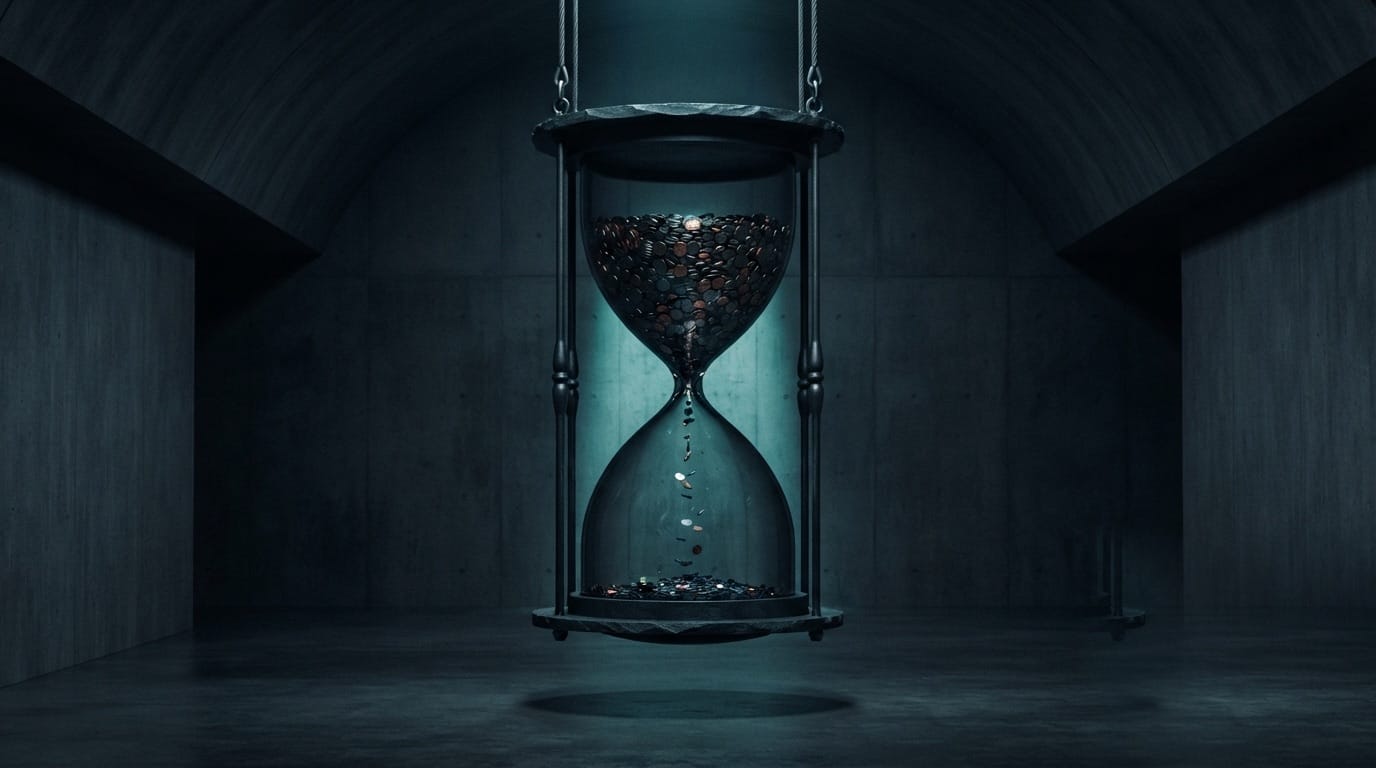
The most reliable selloff in crypto is the one printed on a public calendar. This August, token unlocks will release more than $1.28 billion in previously locked supply onto the market — insider allocations, team shares, and investor tranches, all scheduled years in advance, all visible to anyone who bothers to look.
Markets are supposed to price in what everyone can see. Token unlocks are the standing counterexample. The dates sit in plain view on trackers like Tokenomist, and yet month after month, charts sag on cue as if the news were a surprise.
Something about this market refuses to learn. It's worth asking why.
Start with the outlier. On August 5, $PROVE unlocked 104.17% of its circulating supply in a single day — one of the largest one-day supply expansions of 2026. Not a dilution around the edges. A doubling of the float before lunch.
The rest of the month is steadier but heavier. RAIN leads the linear-release table at $568 million across the month. Solana's ongoing emissions add roughly $145.78 million — small against SOL's market cap, large in absolute dollars. The Official Trump token will vest about 28 million tokens worth $40.9 million, a fresh 11.28% of its circulating supply, and Pump.fun adds 7 billion $PUMP worth around $14.7 million.
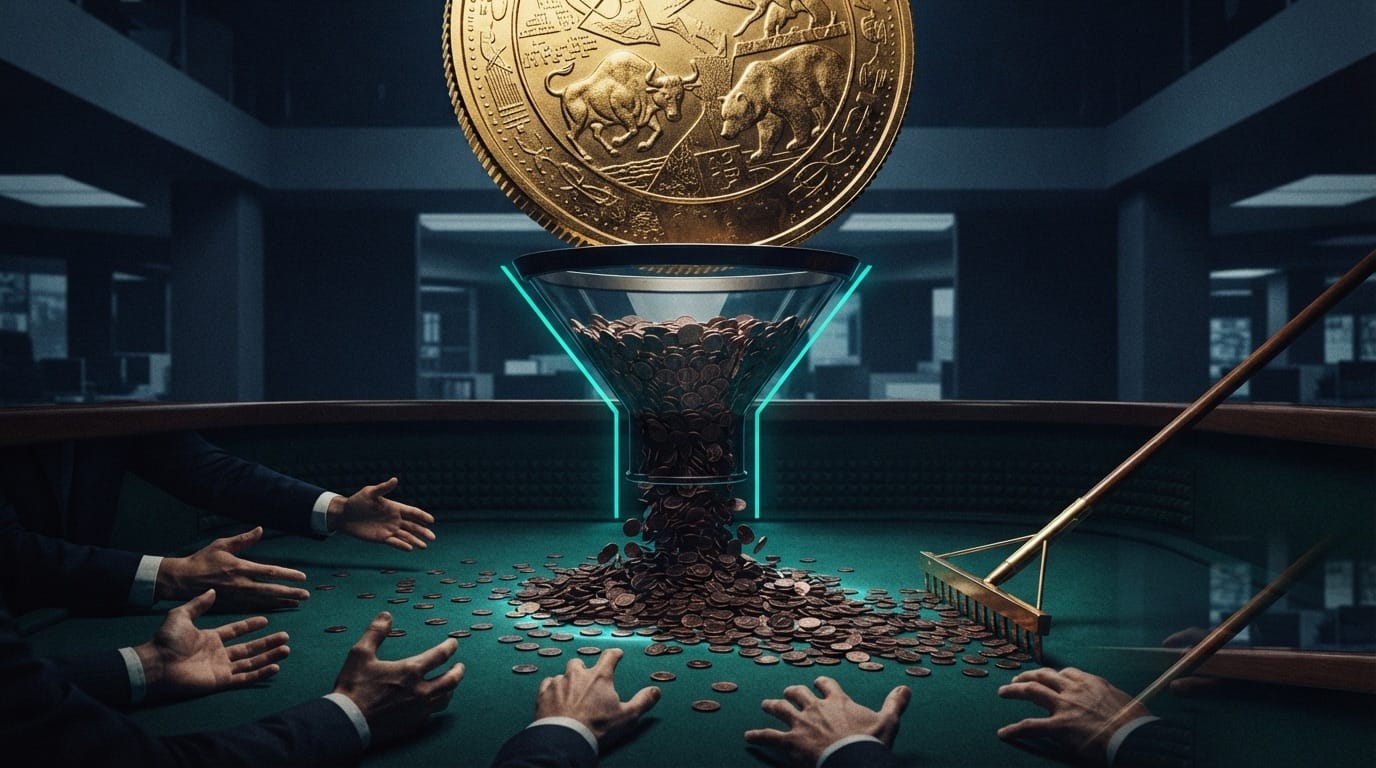
Each line item has its own story. Together they form a tax — a recurring transfer from late buyers to early insiders, denominated in sell pressure.
And this month the tax lands on a market with thin patience. Bitcoin is grinding around $65,000 while traders handicap Federal Reserve meetings instead of chasing altcoins. Unlock supply hits different when nobody's bidding.
Here's the case for why "priced in" keeps failing, and it's more interesting than trader amnesia.
An unlock date is public. An unlock decision is not. The calendar tells you when a venture fund receives its tokens; it cannot tell you whether that fund is a forced seller closing a 2021-vintage position or a believer who will stake the allocation and forget it. Two identical unlocks can produce opposite outcomes depending on private information the chart can't show you.
So traders front-run the ambiguity. They sell before the date to dodge the worst case, which drags prices down ahead of the event whether or not the recipients ever sell. The unlock becomes self-fulfilling theater: the anticipation does the damage, and the actual tokens sometimes never hit an order book.
That's not irrationality. That's rational behavior under uncertainty, repeated until it looks like a curse.
There's a fair counterargument that mature tokens escape this cycle — SOL absorbs nine figures of monthly emissions without drama because its holder base is deep and its sellers are diversified. True. But maturity is the exception. Most of the 2024–2025 launch class still carries low floats and top-heavy cap tables, and for them, every cliff is a referendum on insider conviction.
Step back and the strange part isn't that unlocks hurt. It's that crypto is the only market where this pain is fully visible in advance — and the industry treats that visibility as a liability instead of the selling point it is.
Equity markets run on softer disclosure. IPO lockups expire, insiders file paperwork after the fact, and retail finds out who sold from a quarterly filing months later. Crypto inverted that: vesting lives in smart contracts, on-chain, timestamped, auditable by a teenager with a block explorer. When a team locks tokens through an escrow protocol like Team Finance, the terms aren't a promise in a press release — they're code anyone can verify before buying.
The projects that manage cliffs worst share a pattern: opaque schedules, renegotiated terms, tokens moving to exchanges days before "locked" allocations technically release. The ones that manage them best publish everything early and let the market digest supply on a drip instead of a dump.
In other words, the difference between an unlock that kills a token and an unlock that passes unnoticed is rarely the size. It's the credibility of the lock itself.
The quiet evolution in token design is already visible in August's own calendar. The month's biggest numbers — RAIN's $568 million, SOL's $145 million — are linear releases, metered out block by block. The scariest number, PROVE's 104% single-day expansion, is a cliff.
Linear vesting doesn't eliminate sell pressure; it amortizes it. It converts one referendum into a thousand small votes, none big enough to trigger the front-running spiral. Projects launching today increasingly know this, which is why the cliff-heavy tokenomics of the last cycle are becoming a red flag that sophisticated allocators screen out before they ever wire funds.
That screening is the real discipline mechanism. Not regulation. Not exchange listing rules. Just buyers who have watched enough August calendars to know that a cap table is a forecast of future selling, and that the schedule is the most honest document most projects ever publish.
A token's whitepaper tells you what the team hopes. Its vesting schedule tells you what the team negotiated — who got in cheap, how fast they can leave, and how much of the "community" allocation was ever really for the community.
Read enough of them and the $1.28 billion stops looking like a monthly accident. It looks like the industry's original fundraising choices arriving on schedule, invoice after invoice, exactly as agreed in term sheets signed when prices were higher and promises were easier.
The next cycle's winners are being designed right now, in vesting tables nobody tweets about. When the 2027 unlock calendars publish, they'll read as a verdict on whether this industry actually learned anything from Augusts like this one — or whether it just found new buyers who haven't seen the invoice yet.
Onuora Amobi ·
Onuora Amobi ·

Onuora Amobi ·
Onuora Amobi ·

Onuora Amobi ·

Onuora Amobi ·