
The CFTC Wrote a Rulebook for Crypto Leverage. Buying Bitcoin Still Has No Federal Referee.
Onuora Amobi ·
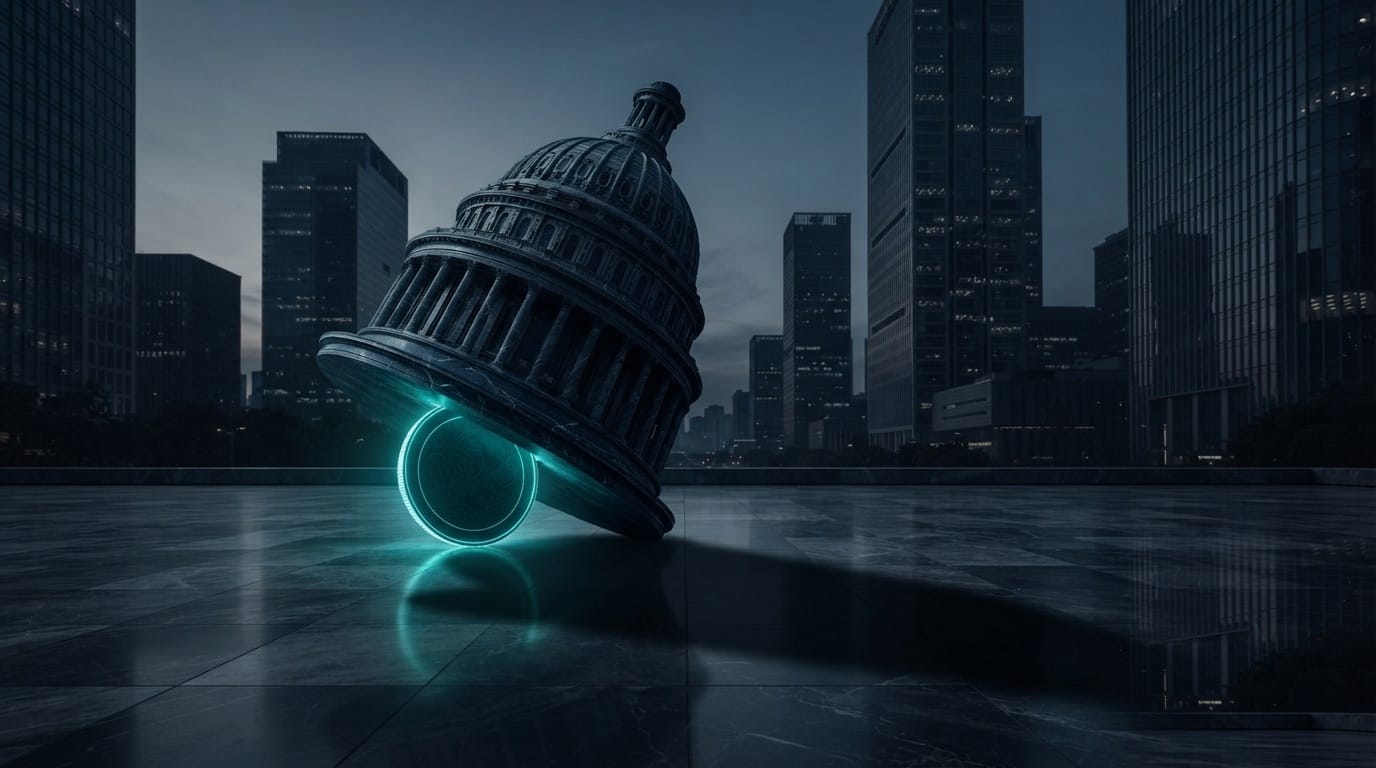
The crypto industry's biggest regulatory obstacle in 2026 is not Elizabeth Warren, not the SEC, and not banking lobbyists. It is the personal balance sheet of the man who campaigned as crypto's champion. The CLARITY Act — the market structure bill that would finally tell American crypto regulation where securities law ends and commodities law begins — is stalled in the Senate over exactly one unresolved question: what to do about President Trump's $2.3 billion in crypto holdings.
Strip away the procedural fog and the situation is almost comically simple. The industry has the votes for clarity. It has the White House. It has a sympathetic SEC. And it cannot get its law, because the law's loudest beneficiary in the executive branch also happens to be its most conflicted.
On July 1, the Office of Government Ethics released the president's annual financial disclosure for 2025. The numbers were bigger than even critics had guessed: roughly $1.4 billion in crypto-related income in the first year of his second term, including more than $500 million from World Liberty Financial token sales and $635 million in royalties tied to $TRUMP memecoin licensing.
Before that filing, the ethics dispute was abstract — a Democratic talking point about hypothetical conflicts. After it, the conflict had line items. It is difficult to argue that presidential crypto profits are a distraction from the bill when the disclosure shows they exceed the annual revenue of most companies the bill would regulate.
The legislative consequences arrived fast. An ethics amendment from Senator Chris Van Hollen failed 11-13 in the Banking Committee, and the White House has opposed any provision touching the president's personal holdings. Meanwhile Senators Ruben Gallego and Angela Alsobrooks — the only two Democrats who voted the bill out of committee — have conditioned their floor support on enforceable ethics guardrails. Without several Democratic votes, there is no bill.
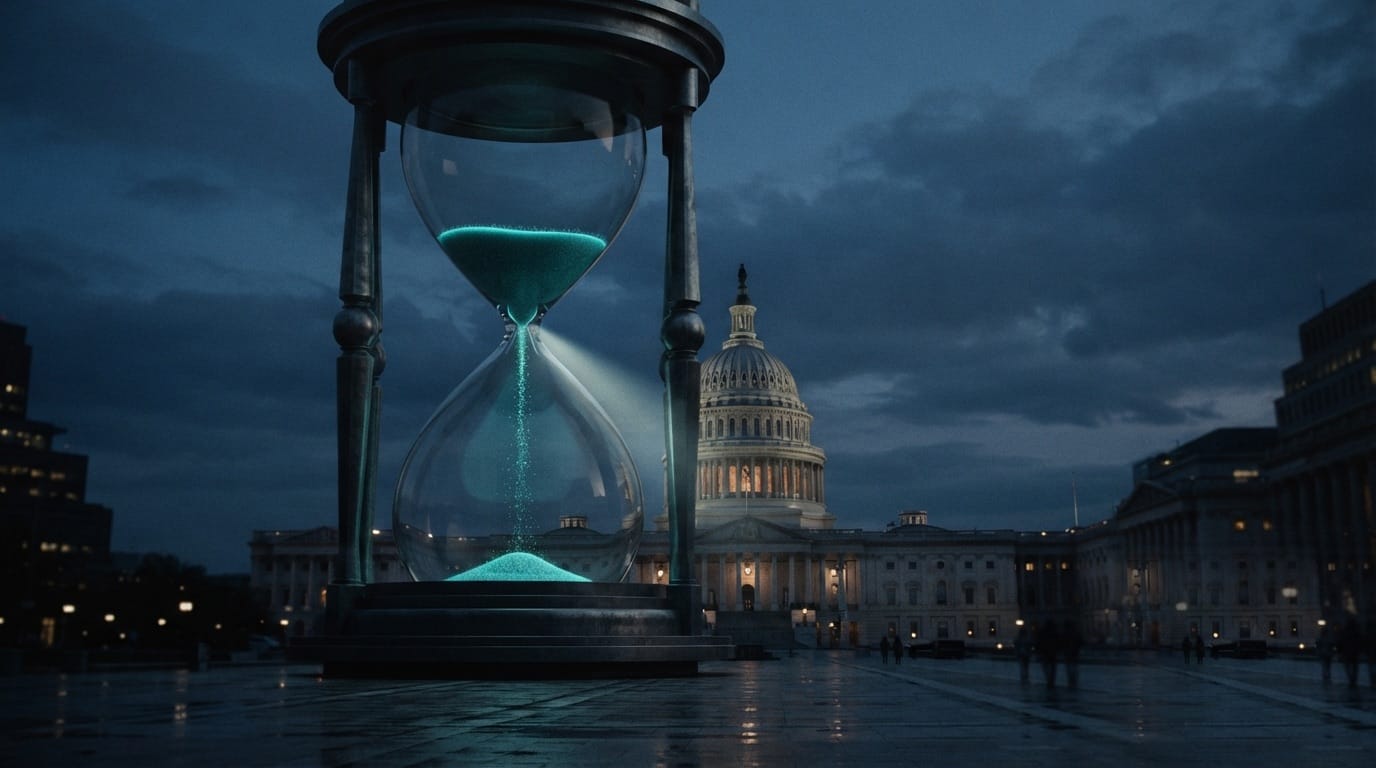
The Senate returns from recess tomorrow, July 13. That leaves roughly three usable weeks before the August recess scatters the chamber — the window analysts have consistently called the last realistic gate for passage this year. Miss it, and the bill collides with midterm politics, where no Democrat gains anything from handing the administration a signature win.
The trade on the table is brutal for both sides. Democrats are asking the White House to accept ethics restrictions the president has personally and repeatedly rejected. Republicans are asking Democrats to legalize an industry that is visibly enriching the president, with no guardrails, four months before a campaign season. Each side's ask is the other side's attack ad.
Senator Warren has escalated, demanding a formal probe of the president's crypto dealings before any floor action. Industry lobbyists call that a poison pill. It is — and it's also a preview of the oversight hearings that follow if the bill passes without an ethics answer and anything goes wrong afterward.
Here is the position crypto's trade groups have taken: the ethics fight is "not our issue," a partisan sideshow attached to an otherwise technical bill. That framing is understandable and wrong. An industry seeking legitimacy cannot be indifferent to the appearance that its legal foundation was purchased with a president's personal upside. The CLARITY Act's own supporters concede that ethics is the only thing standing between crypto and a statutory footing.
The counterpoint deserves respect: conflict-of-interest law for presidents is genuinely unsettled terrain, and it is odd to hang a market structure framework — exchange registration, custody rules, disclosure regimes for everyone else — on a dispute about one man's memecoin royalties. Good bills have died over worse hostage-taking.
But legitimacy is the entire product here. A crypto law passed under a cloud invites repeal efforts, enforcement whiplash under the next administration, and a permanent asterisk. The industry that spent years asking to be regulated like adults should be the loudest voice demanding the ethics question get settled, not the quietest.
While the Senate stalls, the SEC is moving. The Commission issued an interpretation clarifying how federal securities laws apply to crypto assets, with the CFTC joining to align its own administration of the Commodity Exchange Act. Three further crypto rule proposals sit on the SEC's 2026 agenda, each targeting notices this month — exemptions, broker-dealer changes, and new trading rules for exchanges.
Crypto Twitter cheered. It shouldn't have, at least not unreservedly. Agency guidance under a friendly chair is regulation written in pencil. Everything the current Commission grants, a 2029 Commission can reinterpret, because interpretations are not statutes. The whole argument for the CLARITY Act was to stop renting regulatory certainty administration by administration. Settling for guidance now is accepting the exact fragility the bill exists to end.
The stalemate looks worse against the calendar across the Atlantic. On July 1, the transitional period under MiCA ended, meaning every crypto-asset service provider operating in the European Union now holds full authorization or has shut its doors. Days later, Ripple picked up a full CASP license from Luxembourg's regulator, unlocking regulated services across all 30 EEA countries with one approval.
Whatever one thinks of MiCA's substance — and plenty of builders find it heavy — Europe now offers something America cannot: a rulebook that exists. Compliance teams can read it. Boards can budget for it. Capital allocators can underwrite it. The United States, home to the deepest capital markets on earth and a self-declared pro-crypto administration, offers a stalled bill, pencil-drawn agency guidance, and a fight about one portfolio.
Every month that gap persists, the default jurisdiction for a serious token project's legal wrapper drifts a little further from Delaware. Those decisions are sticky. They do not reverse when a bill finally passes; they compound quietly in the meantime.
The quiet lesson of this stalemate is that the market built its own trust infrastructure while waiting for the statutory kind. Investors who cannot rely on a market structure law to police insider unlocks and rug pulls rely instead on verifiable on-chain commitments — audited liquidity locks and public team-token vesting through services like Team Finance, which make a project's promises checkable by anyone with a block explorer. Launch platforms that screen and structure new token sales, such as the TrustSwap Launchpad, exist for the same reason: when the state doesn't yet certify good behavior, the market prices in whoever credibly does.
None of that replaces law. On-chain locks can't adjudicate fraud or resolve the securities-commodities boundary. But it does mean the industry's floor doesn't collapse if August comes and goes without a bill — a fact senators on both sides quietly understand, and one that lowers the urgency they feel to compromise.
The CLARITY Act was never just about legal definitions. It was crypto's application for membership in the American financial establishment — reviewed, stamped, permanent. Applications get judged on character as well as paperwork.
If the Senate finds an ethics formula in the next three weeks, the industry gets its foundation and something more valuable: a law whose legitimacy survives the administration that signed it. If it doesn't, crypto enters the midterms as a wedge issue wearing a $2.3 billion price tag, and the next window may not open until 2027 under terms nobody currently in the room gets to set.
The bet the industry made was that aligning with one politician's fortune was the fastest road to legitimacy. The next three weeks will reveal the interest rate on that loan.
Onuora Amobi ·
Onuora Amobi ·

Onuora Amobi ·

Onuora Amobi ·

Onuora Amobi ·
Onuora Amobi ·